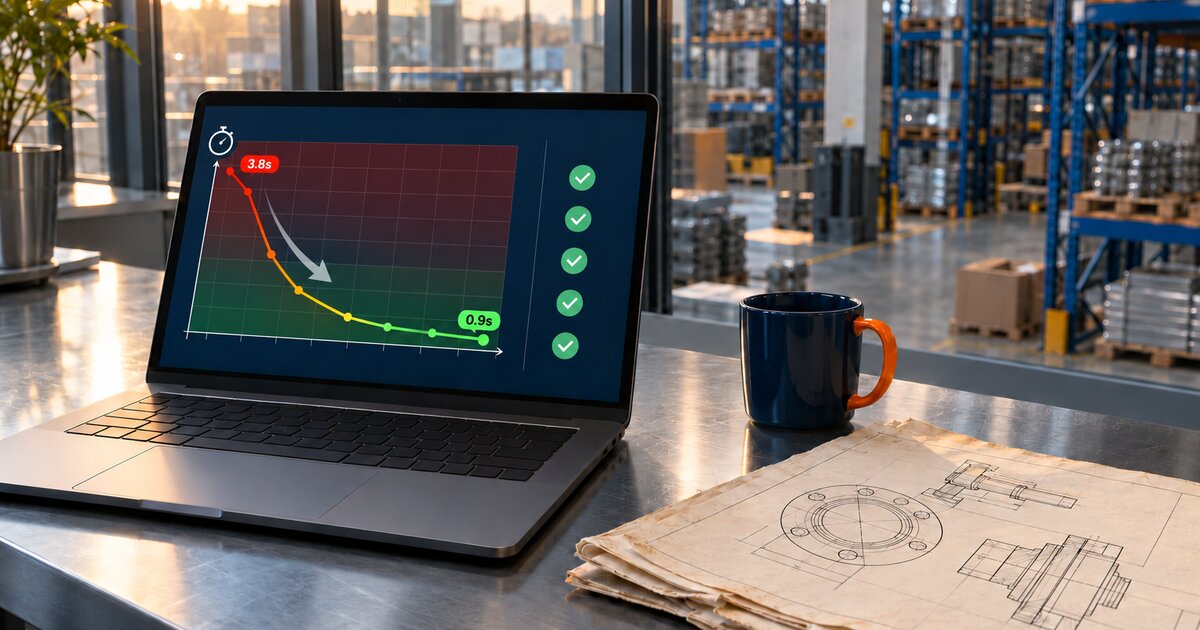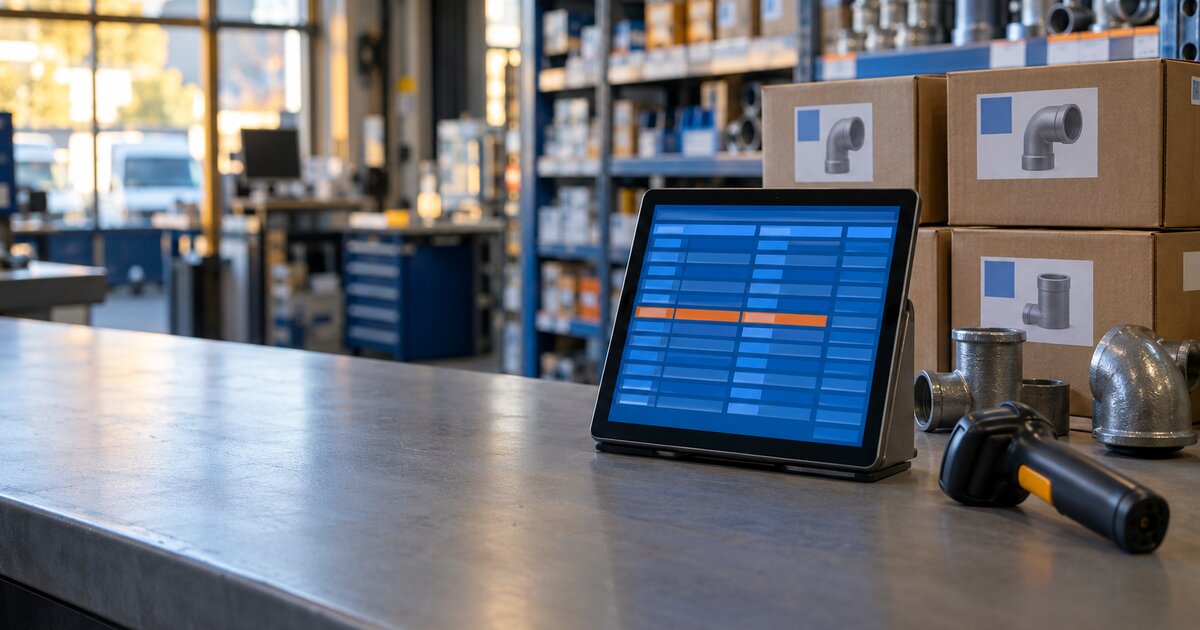
Already have a customer portal, but it's not meeting expectations? You're not alone. Many B2B companies have a customer portal as a secondary component of their ERP system or accounting software. In practice, however, these portals often turn out to be slow, unintuitive for customers, or limited in functionality. The portal exists, but it doesn't work the way it should.
In this blog, you'll read why ERP and accounting portals often fall short, what advantages a custom-built customer portal offers, and when it's time to consider an alternative.
What is a customer portal?
A customer portal is a secure online environment where business customers can log in to handle matters independently. Think of viewing order statuses and invoices, placing repeat orders, viewing customer-specific pricing, sharing documents, and managing user permissions within their own organization.
A good customer portal gives customers more control and ensures that information and processes are available in one central place.
Why existing customer portals often no longer suffice
Many B2B companies already have a customer portal, but find that it doesn't align well with their customers' needs. This is often because the portal wasn't deliberately developed as part of the customer journey, but was automatically included with an ERP or accounting system. This regularly leads to the same pain points:
It's built for management, not for the customer. ERP and accounting systems are designed for internal processes, where the end customer's user experience usually isn't a priority. The result: portals that are confusing and cost customers unnecessary effort to find information or complete actions.
There's little connection with the webshop. Customers order through the webshop, but have to log into a different system for invoices or order information, one with a different look, different product names, and an inconsistent user experience. This causes confusion, and therefore extra questions for customer service.
There's little room for customization. With standard ERP portals, you often quickly run into limitations. Customer-specific pricing, a simple repeat-order process, or extensive user roles per customer organization are difficult or impossible to realize.
Design and speed are an afterthought. For ERP and accounting software vendors, the customer portal is an additional feature, not a core product. Usability, design, and performance rarely get the attention they deserve, even though these aspects are precisely what determine how customers experience the portal.
The advantages of a customer portal
If your customer portal aligns with your customers' expectations, this delivers benefits for both the customer and the company.
Less pressure on customer service. When customers can easily view their own order status, invoices, or documents, they need to contact customer service less often. Employees spend less time on recurring questions and have more room for more complex customer inquiries.
Greater ease of use for customers. Business customers now expect the same user-friendliness they know from consumer webshops. With a customer portal, they independently handle matters such as repeat orders, user permissions, or customer-specific pricing. This creates a more pleasant and efficient experience.
More efficient processes. Because information from different systems comes together in one place, customers and employees no longer need to switch between multiple environments. An integrated customer portal prevents duplicate work, reduces the chance of errors, and makes processes more transparent.
More flexibility for the future. As an organization grows, customer needs and internal processes evolve too. A custom-built customer portal offers the room to add new functionality and adjust processes, without being tied to the limitations of a standard solution.
Consistent digital customer experience. When the customer portal aligns with the webshop and other systems, one recognizable digital environment emerges. Customers don't need to switch between different interfaces or ways of working, and they handle their matters faster and more easily.
This is what the elgentos B2B Suite guarantees. This way, information remains centrally available and the customer portal grows effortlessly alongside your organization.
When is it time for a new customer portal?
Not every B2B portal needs to be replaced right away. However, there are clear signs that an existing solution no longer suffices:
- Customers regularly call or email with questions about their orders.
- Customer service often has to explain how the portal works.
- Customer requests or new features can't be realized.
- Information is scattered across multiple systems.
- The portal doesn't match the look and user experience of the webshop.
- The portal doesn't drive additional revenue on its own, and it's unclear what it delivers in terms of data and efficiency.
Do you recognize several of these signs? Then it's worth looking beyond the standard portal that comes with your ERP or accounting software, and investing in a customer portal that truly meets the needs of your customers and organization.
Is your current customer portal running into these same pain points too?
At elgentos, we build customer portals with the elgentos B2B Suite as part of your Magento webshop, so customers don't need to switch between multiple systems. Curious about the possibilities for your business? Schedule a no-obligation conversation.